

IoTMarketi · Guides
What is LoRaWAN? Technology, Architecture and Turkey Guide
What LoRaWAN is, LoRa vs LoRaWAN, EU868, Class A/B/C, architecture and use cases — plus Milesight/Dragino selection and project quotes in Turkey.
What is LoRaWAN?
LoRaWAN (Long Range Wide Area Network) is an open LPWAN protocol for long-range, low-power IoT payloads. It is widely used for temperature, humidity, CO₂, occupancy, leak, energy and meter readings without wiring every point.
The standard is stewarded by the LoRa Alliance. This IoTMarketi guide helps engineering and procurement teams in Turkey move from definition → architecture → frequency → catalog → quote.
Short version: LoRa is the radio; LoRaWAN is the network protocol. Most Turkey field deployments plan for EU868.
LoRa vs LoRaWAN
| Layer | Defines | In practice |
|---|---|---|
| LoRa | Physical radio (Chirp Spread Spectrum) | Semtech-class RF / modulation |
| LoRaWAN | MAC + network (classes, ADR, security, topology) | End device ↔ gateway ↔ network server rules |
Many “LoRa sensors” are actually LoRaWAN end devices. Specs should state protocol version, region and network-server compatibility.
How LoRaWAN architecture works
A typical network has four parts (star topology):
- End device — Sensor or actuator in the field
- Gateway — Receives LoRa frames, forwards over IP (Ethernet / Wi‑Fi / cellular)
- Network server — Identity, deduplication, Adaptive Data Rate (ADR)
- Application server — Dashboards, alarms, SCADA/ERP or custom software

End devices do not need mesh links to each other; they uplink to one or more gateways.
Frequency in Turkey: EU868
European deployments commonly use EU868 (~863–870 MHz ISM). Industrial and smart-building projects in Turkey typically order EU868 firmware/region for both devices and gateways.
- US915 or Asia plans do not fit Turkey sites
- Gateway channel capacity and local spectrum rules belong in planning
- Pilot RSSI/SNR beats optimistic range claims
Device classes A / B / C
| Class | Power | Downlink | Typical use |
|---|---|---|---|
| Class A | Lowest | Short windows after uplink | Sensing, metering, leak |
| Class B | Medium | Scheduled slots (beacons) | Periodic commands |
| Class C | Higher | Mostly listening | Lighting, valves, low-latency control |
Most battery industrial sensors start as Class A.
Advantages of LoRaWAN
- Long range outdoors and across campuses
- Low power for multi-year battery sensors
- Scale — many end devices per gateway
- Unlicensed ISM — no mandatory cellular SIM per sensor (follow local rules)
- Security — AES-128 at network and application layers
- Open ecosystem — ChirpStack, The Things Network, vendor clouds
Limits: video or millisecond control needs Ethernet, Wi‑Fi or cellular edge — not LoRaWAN.
Use cases
- Smart buildings — CO₂, climate, occupancy, leak
- Smart cities — parking, lighting telemetry, environment
- Energy / metering — campuses, substations, panel temperature
- Agriculture — soil moisture, greenhouses, irrigation
- Industry — tank level, I/O, Modbus/RS485 bridges
- Logistics — asset tracking with suitable devices
IoTMarketi lists Milesight and Dragino hardware in one catalog; Teltonika routers/trackers can complete connectivity.
How to start a LoRaWAN project in Turkey
- Define measurement points, uplink rate and class needs
- Pick sensors and gateways from the LoRaWAN category
- Confirm EU868 and IP/power ratings for the site
- Choose the network server early (ChirpStack / cloud / on-prem)
- Optionally add consulting, software or installation to the quote
- Submit the cart via the quote form — typically a project-specific reply within 24 hours
Brands: Milesight · Dragino · Teltonika
Go deeper: How to choose a LoRaWAN gateway · How to choose a LoRaWAN sensor · Milesight in Turkey · Dragino in Turkey
Commercial next step in Turkey
- Open LoRaWAN sensors and LoRaWAN gateways
- Shortlist SKUs from Milesight or Dragino
- Add to cart and submit a quote — typically within 24 hours
Multi-brand compare: Milesight vs Dragino
Why IoTMarketi
IoTMarketi does more than define LoRaWAN: it combines a Milesight + Dragino catalog, optional project services and one-cart project-specific quotes. Pricing reflects quantity, stock and integration scope — the real B2B buying path.
Hardware
Related products
Catalog hardware that fits this solution — request a quote for availability.
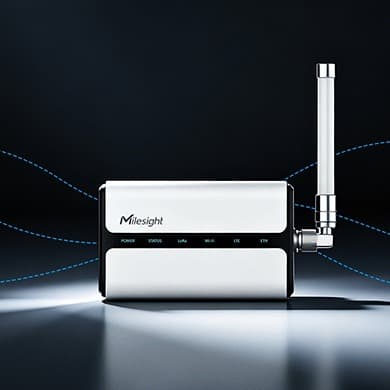 MilesightGateway
Milesight UG65 Indoor LoRaWAN® Gateway | IP65
8-channel industrial LoRaWAN gateway with PoE, 4G/Wi-Fi, IP65 rating — for smart buildings and large-scale IoT. Request a quote.
In Stock
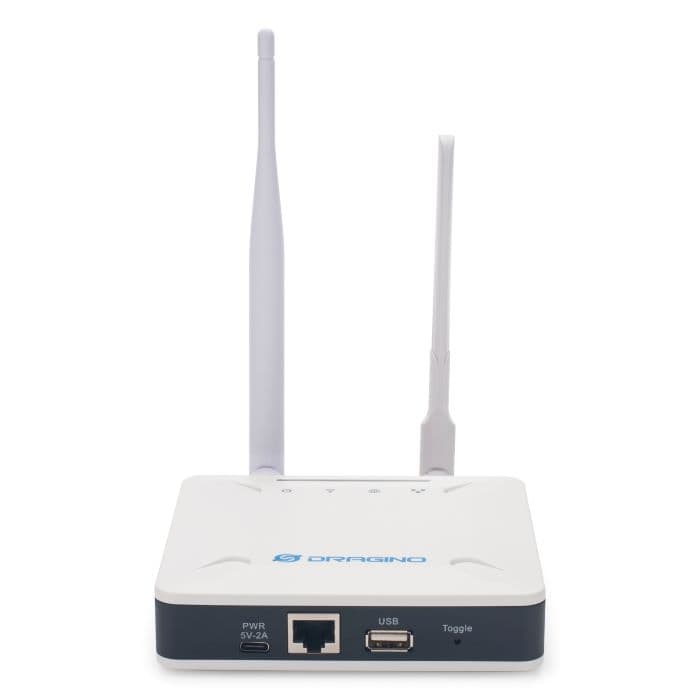 DraginoGateway
Dragino LPS8V2 Indoor LoRaWAN Gateway
10-channel indoor LoRaWAN gateway with open-source Debian OS, Web GUI and SSH management, ChirpStack and Node-Red integration. Request a project quote for your IoT deployment in Turkey.
In Stock
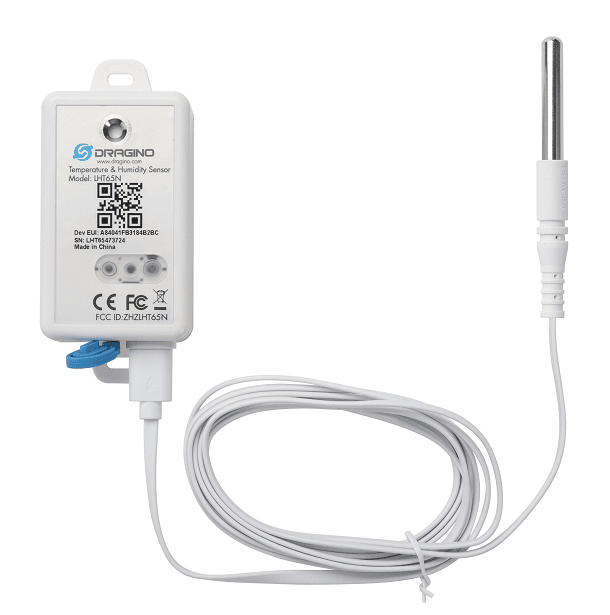 DraginoSensor
Dragino LHT65N Sıcaklık & Nem Sensörü
LoRaWAN temperature and humidity sensor — 10+ year battery life, external sensor support, remote configuration. Request a project quote for your IoT deployments in Turkey.
In Stock
FAQ
Frequently Asked Questions
LoRaWAN nedir?
LoRaWAN (Long Range Wide Area Network), LoRa radyo katmanı üzerinde çalışan açık bir LPWAN protokolüdür. Düşük güçle kilometrelerce menzilde küçük veri paketleri taşır; sensörler ağ geçidi üzerinden ağ ve uygulama sunucusuna bağlanır. Cihaz başına zorunlu GSM aboneliği yoktur.
LoRa ile LoRaWAN arasındaki fark nedir?
LoRa, Chirp Spread Spectrum tabanlı fiziksel radyo modülasyonudur. LoRaWAN ise uç cihaz, ağ geçidi, ağ sunucusu ve uygulama sunucusu arasındaki MAC/ağ kurallarını tanımlar: cihaz sınıfları, ADR, güvenlik ve yıldız topoloji. Endüstriyel projelerde genelde LoRaWAN uyumlu cihazlar tercih edilir.
Türkiye'de LoRaWAN hangi frekansta çalışır?
Türkiye'deki LoRaWAN projelerinde Avrupa bölgesi planı EU868 (yaklaşık 863–870 MHz ISM) yaygındır. Cihaz ve ağ geçidi frekans bölgesinin (EU868) projenize uygun olduğundan emin olun; yerel spektrum kurallarına uyulmalıdır.
LoRaWAN Class A, B ve C nedir?
Class A en düşük güç tüketimine sahiptir; downlink yalnızca uplink sonrası kısa pencerelerde gelir. Class B zamanlanmış alım slotları ekler. Class C çoğu zaman dinlemede kalır ve düşük gecikmeli kontrol için uygundur (genelde şebeke beslemeli).
LoRaWAN menzili ne kadardır?
Açık alanda genelde birkaç kilometreden 10–15 km'ye kadar; şehir ve tesis içinde RF engellerine bağlı olarak çoğu senaryoda 1–5 km bandı gerçekçidir. Ağ geçidi konumu, anten ve yayılım faktörü menzili belirler.
Türkiye'de LoRaWAN ürünleri nereden alınır?
IoTMarketi kataloğunda Milesight ve Dragino LoRaWAN sensör ile ağ geçidi ürünleri listelenir. Adayları sepete ekleyip projeye özel teklif isteyebilir; isteğe bağlı danışmanlık, yazılım ve montaj desteği talep edebilirsiniz.
LoRaWAN ağında hangi bileşenler gerekir?
Tipik kurulum: uç cihaz (sensör/aktüatör), bir veya daha fazla ağ geçidi, ağ sunucusu (ör. ChirpStack veya bulut NS) ve uygulama sunucusu (panel, alarm, SCADA/ERP entegrasyonu). IoTMarketi donanım kataloğu ve isteğe bağlı entegrasyon hizmetiyle bu zinciri destekler.
Continue reading

How to Choose a Jimi IoT GPS Vehicle Tracker: Fleet Guide
Jimi IoT GPS trackers and dash cams: OBD vs wired, single vs multi-channel AI. Model selection by fleet size and how to get a quote.
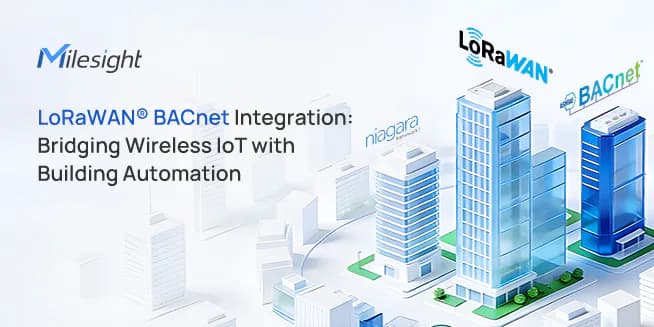
LoRaWAN and BACnet Integration: Connecting Wireless IoT Sensors to Smart Building Management Systems
LoRaWAN technology enables wireless sensors to integrate seamlessly with existing BACnet-based Building Management Systems (BMS) without expensive rewiring. This guide explores hybrid architecture, protocol conversion, and gateway workflows—a cost-effective, rapid solution for modernizing legacy buildings.
Fleet Tracking and Fuel Management: Optimizing Logistics Fleets with Jimi IoT VL502
For logistics and delivery operations, vehicle tracking, fuel management, and maintenance planning are critical. OBD tracking devices like the Jimi IoT VL502 collect real-time vehicle data, increasing operational efficiency, preventing unexpected breakdowns, and reducing operating costs. Discover suitable solutions for Turkey's logistics sector.