
IoTMarketi · Guides
What Is a Vehicle Tracking Device? A Guide for Businesses and Individuals
Vehicle tracking devices use GPS technology to monitor vehicle location, speed, and movement data in real time. Preferred by fleet managers and individual vehicle owners alike, these systems increase operational efficiency, enhance security, and reduce costs.
What Is a Vehicle Tracking Device?
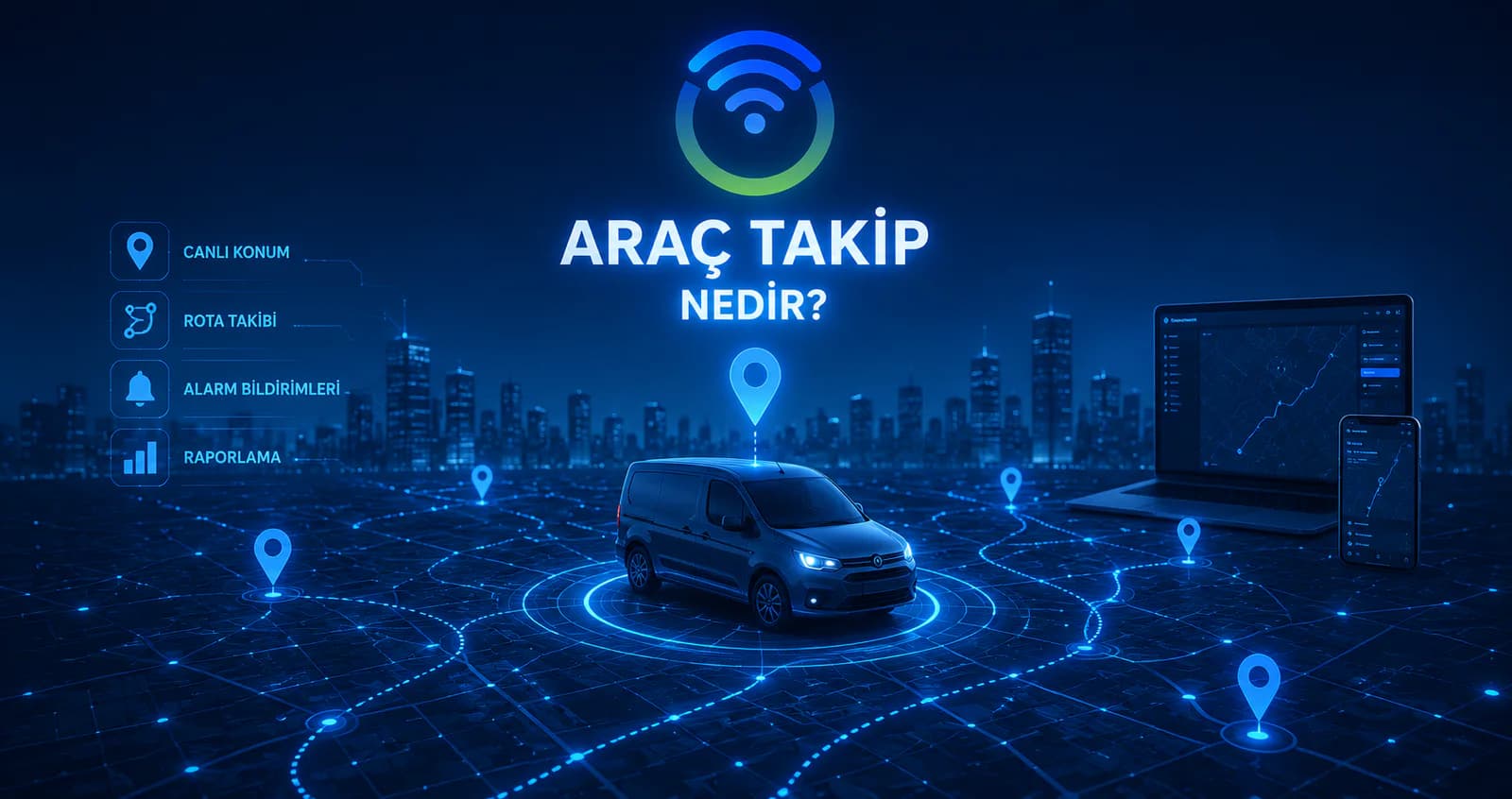
A vehicle tracking device is a system that uses GPS (Global Positioning System) technology to monitor vehicle location, speed, and movement status in real time. The system consists of hardware installed in the vehicle and a software platform connected to central servers via mobile networks. Vehicle owners, fleet managers, and transportation companies can use this technology to enhance vehicle security, improve operational efficiency, and reduce operating costs.
Vehicle tracking systems go beyond simple location monitoring. Devices collect detailed data about vehicle speed, fuel consumption, engine status, route information, and driving behavior. This information helps business managers make operational decisions and improves driver safety.
What Are Vehicle Tracking Devices Used For?
Vehicle tracking devices have a wide range of applications. First, real-time vehicle positioning is provided—this is particularly critical in fleet management, logistics, and transportation sectors. Operations managers can see where drivers are, which route they are following, and when they will reach their destination.
Second, fuel consumption and engine performance monitoring help businesses control operational costs. Excessive speeding, aggressive driving, and unnecessary stops can be identified and corrected through driver training.
Third, vehicle security is enhanced. In case of theft, vehicle location can be tracked, unauthorized movement can be detected, and emergency alerts can be issued. Additionally, access to historical movement data is valuable for operational analysis and providing evidence in legal disputes.
Which Vehicles Use Vehicle Tracking Systems?
Vehicle tracking devices are not limited to cars. They can be used on all transport vehicles:
- Trucks and semi-trailers: For security and route optimization during high-value cargo transport
- Minibuses and buses: For time management and safety in passenger transportation
- Motorcycles: For location tracking in high-theft-risk situations
- Containers and transport equipment: For tracking goods in the logistics chain
- Rental vehicles: For legal compliance and customer security
Each vehicle type may have different requirements. For example, motorcycle tracking devices are more compact and lightweight, while truck tracking systems may have more powerful batteries and larger data storage capacity.
How Does a Vehicle Tracking Device Work?
Vehicle tracking system operation is based on three main components:
1. GPS Receiver: The device determines the vehicle's latitude, longitude, and altitude through satellite signals. This process occurs within seconds in open-air environments.
2. Mobile Network Connection: The determined location information is transmitted to central servers via 4G/5G mobile networks or other wireless communication protocols. This step forms the foundation of real-time monitoring.
3. Software Platform: Data received by the servers is presented to the vehicle owner or fleet manager through a mobile application or web platform. Users can access real-time positioning, historical route analysis, alert settings, and reporting functions.
Devices are typically integrated into the vehicle's electrical system and operate continuously. Some advanced systems can perform positioning even when the engine is off and can detect movement.
What Information Does a Vehicle Tracking Device Provide?
Vehicle tracking devices provide much more than just location information:
- Real-time location: Vehicle's current position on a map
- Speed and speed violations: Excessive speed alerts
- Route and travel history: Roads traveled and stops made
- Fuel consumption: Kilometers per liter and abnormal consumption detection
- Engine status: Engine temperature, pressure, and fault codes
- Stop duration: Periods when the vehicle is not moving
- Driving behavior: Rapid acceleration, hard braking, and cornering analysis
This data helps business managers improve operational efficiency, enhance driver safety, and plan maintenance schedules.
Where Is a Vehicle Tracking Device Installed?
Vehicle tracking devices are typically installed discreetly in vehicles. Common installation locations include:
- Integration into vehicle electrical system: Connection to the OBD-II (On-Board Diagnostics) port
- Vehicle interior: Non-visible locations, such as under the glove box or under the rear seat
- External power source: Direct connection to the vehicle's battery or alternator
- Integration into vehicle central computer: In some modern vehicles, the device can be integrated directly into the vehicle system
The installation location varies depending on the device model, power requirements, and GPS signal reception capacity. Professional installation ensures proper device operation and longevity.
Who Uses Vehicle Tracking Devices?
Vehicle tracking devices serve a wide user base:
- Individual vehicle owners: Those who want to secure their personal vehicles
- Fleet managers: Those who want to monitor fleets of multiple vehicles
- Transportation and logistics companies: For tracking vehicles and cargo
- Car rental businesses: For legal compliance and customer security
- Motorcycle owners: For protection against high theft risk
- Courier and delivery services: For delivery tracking and route optimization
Each user type has different needs, and customized packages are offered according to these needs.
How Can You Tell If a Vehicle Has a Tracking Device?
Detecting whether a vehicle has a tracking device is not easy from the outside due to the device's hidden installation. Modern vehicle tracking devices are typically placed inside the vehicle and integrated into the electrical system.
However, there are some clues:
- Checking the OBD-II connection port: If a device is present at this connection point located under the glove box, it may be visible
- Abnormal power consumption in electrical system: The device may consume power even when the vehicle is off
- Using technical equipment: Experts can detect the device's presence using RF (radio frequency) detectors or vehicle diagnostic tools
- Alerts in vehicle systems: In some cases, alerts related to the device may appear in the vehicle's central computer
Although the device's concealment provides an advantage to the vehicle owner in cases of unauthorized use, clues about the device's presence may be found during regular maintenance or technical inspections.
Is It Mandatory to Install a Vehicle Tracking Device?
The requirement to install a vehicle tracking device varies by country and sector. In Turkey and other countries, legal regulations cover:
Situations Where Installation Is Mandatory:
- Car rental sector: In some countries, car rental businesses are legally required to install tracking devices in their vehicles
- Transportation and logistics: In cases of high-value cargo transport, some legal regulations may require device installation
- Courier and cargo services: May be mandatory for package tracking and security
Voluntary Use: Outside of legal requirements, installing a device for individual vehicle owners and fleet managers is a voluntary choice for security and efficiency purposes. Those who want to reduce theft risk, improve operational efficiency, and enhance driver safety can install devices on their own initiative.
How Long Does It Take to Register a Vehicle Tracking System?
The registration time for a vehicle tracking system varies depending on the device type, service provider's procedures, and the scope of installation operations.
Typical Timeline:
- Physical installation: 1–2 hours
- System activation: Shortly after installation (usually minutes)
- Database integration: A few hours
- Full operational status: Usually within 24 hours
Especially in regulated sectors like car rental, system registration and activation must be completed quickly in compliance with legal requirements. The registration process may also vary depending on internet connectivity and GPS satellite signal synchronization.
In more comprehensive vehicle management systems, database updates along with vehicle and fleet information may be required, and this process may take longer.
Frequently Asked Questions
Q: How accurate is the location information provided by a vehicle tracking device? A: Modern GPS technology can determine location with 5–10 meter accuracy in open-air environments. Urban centers, tunnels, and enclosed areas can affect signal quality.
Q: What is the battery life of a vehicle tracking device? A: Device battery life varies depending on the model and usage intensity. Devices powered from the vehicle can operate continuously; battery-powered devices can operate from a few days to several weeks.
Q: Does a vehicle tracking system affect vehicle performance? A: No. Tracking devices consume minimal power from the vehicle's electrical system and do not affect engine performance.
Q: Is my vehicle tracking data secure? A: Professional vehicle tracking providers use data encryption and security protocols to protect user data. It is important to check the provider's security certifications.
Q: Does installing a vehicle tracking device require modifications to the vehicle? A: In most cases, no. Devices connected to the OBD-II port do not require any modifications to the vehicle. Integrated systems may require professional installation.
Vehicle tracking devices are an important technology that helps businesses improve operational efficiency and vehicle owners enhance security. For businesses in Turkey seeking industrial IoT solutions, IoTMarketi offers the opportunity to request quotes for suitable vehicle tracking systems and other industrial IoT products.
FAQ
Frequently Asked Questions
Araç takip cihazı ne kadar doğru konum bilgisi sağlar?
Modern GPS teknolojisi, açık hava ortamlarında 5–10 metre hassasiyetle konum belirleyebilir. Şehir merkezleri, tünel ve kapalı alanlar sinyal kalitesini etkileyebilir.
Araç takip cihazı pil ömrü ne kadar?
Cihazın pil ömrü modeline ve kullanım yoğunluğuna bağlı olarak değişir. Araçtan güç alan cihazlar sürekli çalışabilir; pil destekli cihazlar birkaç gün ile birkaç hafta arasında çalışabilir.
Araç takip verilerim güvenli midir?
Profesyonel araç takip sağlayıcıları veri şifreleme ve güvenlik protokolleri kullanarak kullanıcı verilerini korur. Sağlayıcının güvenlik sertifikasyonlarını kontrol etmek önemlidir.
Araç takip cihazı kurulum için araçta değişiklik yapılması gerekir mi?
Çoğu durumda hayır. OBD-II bağlantı noktasına takılan cihazlar araçta herhangi bir değişiklik gerektirmez. Entegre sistemler için profesyonel kurulum gerekebilir.
Türkiye'de araç takip cihazı taktırmak zorunlu mu?
Yasal zorunluluk sektöre bağlı olarak değişir. Araç kiralama ve bazı lojistik operasyonlarında zorunlu olabilir. Bireysel araç sahipleri için gönüllü bir tercihtir.
Continue reading

LoRaWAN and BACnet Integration: Connecting Wireless IoT Sensors to Smart Building Management Systems
LoRaWAN technology enables wireless sensors to integrate seamlessly with existing BACnet-based Building Management Systems (BMS) without expensive rewiring. This guide explores hybrid architecture, protocol conversion, and gateway workflows—a cost-effective, rapid solution for modernizing legacy buildings.

Fleet Tracking and Fuel Management: Optimizing Logistics Fleets with Jimi IoT VL502
For logistics and delivery operations, vehicle tracking, fuel management, and maintenance planning are critical. OBD tracking devices like the Jimi IoT VL502 collect real-time vehicle data, increasing operational efficiency, preventing unexpected breakdowns, and reducing operating costs. Discover suitable solutions for Turkey's logistics sector.

Anti-Theft Protection and Stolen Vehicle Recovery with Teltonika GPS Trackers
Teltonika GPS trackers protect vehicles against theft with jamming detection, engine immobilisation, and geofencing. Extended autonomous tracking up to 150 days ensures stolen vehicles can be recovered even when power is disconnected. Real-time alerts and tamper detection keep you informed of any suspicious activity.