
IoTMarketi · Guides
Improving Agricultural Fleet Productivity with ISOBUS Data
Teltonika FMC650 and FMM650 trackers integrate directly into tractor ISOBUS networks to deliver real-time visibility of fleet operations, RTK positioning, and implement performance. Achieve centimetre-level accuracy, reduce fuel waste, and optimise seed and chemical application across your fields with industrial IoT telematics.
What Is ISOBUS and Why Does It Matter in Agriculture?
ISOBUS (ISO 11783) is an open standard for data communication between agricultural machinery. Industrial IoT devices such as Teltonika FMC650 and FMM650 connect directly to a tractor's diagnostic socket and collect real-time data from the tractor, implements, RTK antenna, and fuel sensors through a single cable. This approach eliminates the need for multiple subscriptions and delivers centimetre-level positioning accuracy instead of the 2–3 metre error margin typical of standard GNSS.
Key Challenges in Agricultural Fleet Management
Globally, 68% of farmers have adopted precision agriculture technologies (soil sensors, satellite imagery), yet a critical gap remains: verifying that tractor operators execute planned tasks exactly as designed. This verification gap is one of the most persistent obstacles to maximising field productivity.
Positioning Accuracy Problem: Standard GNSS data carries a 2–3 metre error margin, which is insufficient when tractors need to make sharp turns at field edges. RTK (real-time kinematic) antennas solve this, but in most cases RTK data remains locked within the tractor terminal. Fleet managers cannot access this information without purchasing an additional subscription.
Resource Waste: Uneven distribution of seeds, pesticides, and water across fields leads to crop damage or wasted inputs. Without synchronisation between implement performance and field maps, this control is impossible.
Fleet Visibility Fragmentation: Monitoring tractors, implements, trucks, and RTK devices separately results in data fragmentation during operations.
Integrated Solution with Teltonika FMC650/FMM650
Teltonika FMx650 series connects to a tractor's ISOBUS network via a single 9-PIN cable, collecting all operational data from the tractor, implement, and RTK antenna. The device supports peripheral equipment such as RFID readers, fuel sensors, and driver identification systems via RS232 ports. EYE beacons automatically record which implement is attached to which tractor.
Installation: Plug-and-play design connects directly to the tractor's diagnostic socket. Additional ports (RS232, 1-Wire, digital inputs) enable easy integration of fuel sensors, driver identification, and immobiliser systems.
Data Sources: ISOBUS and CAN data monitor fuel level, engine hours, hydraulic system performance, power take-off system, front and rear hitch positions, auxiliary valves, and hydraulic flow. When RTK antenna is selected, the device automatically prioritises RTK coordinates.
Three Stages of Field Operations
Tractor Dispatch Preparation (Depot Stage)
Early morning, the driver performs a walkaround inspection. The FMx650 device automatically logs ISOBUS and CAN data such as fuel level, engine hours, and hydraulic system performance. When an RFID card reader is connected, only authorised drivers can operate the tractor. EYE beacons identify which implement (plough, seeder, baler, harvester) is attached to which tractor. ISOBUS data confirms the implement is in the correct transport position and machinery parts will not be damaged.
Real-Time Field Monitoring
Tractor movement patterns reveal how the operator interacts with terrain. U-turns at field edges, tight circular paths, and occasional zigzag driving indicate driver efficiency and field conditions. RTK data enables centimetre-level positioning accuracy, which is transferred directly to tractors equipped with auto-steering systems.
Fleet managers monitor tractor data to prevent engine overheating, part damage, or excessive fuel consumption. Power take-off system, hitch positions, auxiliary valves, and hydraulic flow are controlled to ensure implements work at the correct depth and power is transferred smoothly.
Highest ROI: Implement data monitoring. FMx650 provides real-time visibility of seed, pesticide, and water application rates and volumes, comparing them with planned targets. This ensures inputs are applied correctly throughout the field without waste or underuse.
Multi-Vehicle Operations During Harvest
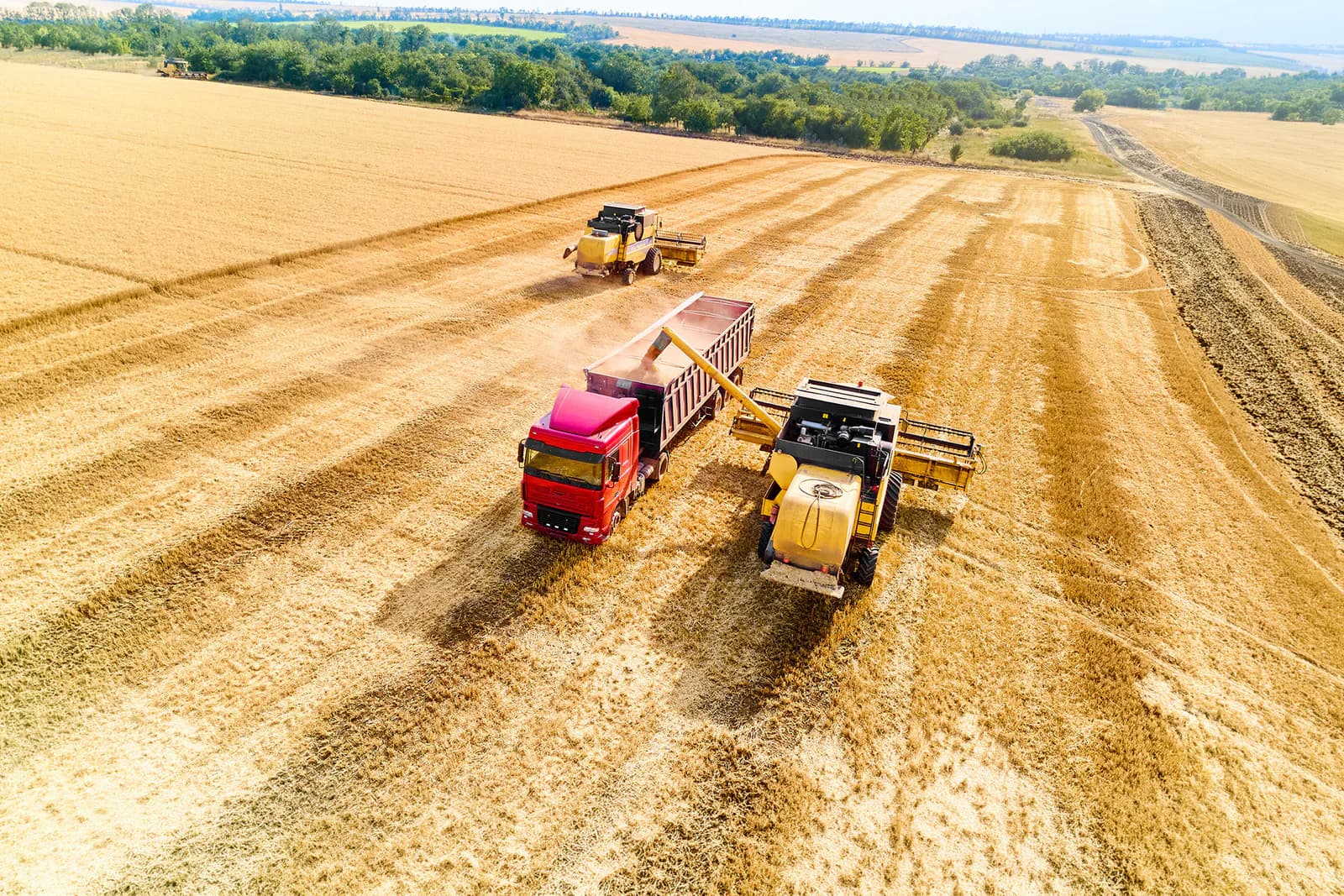
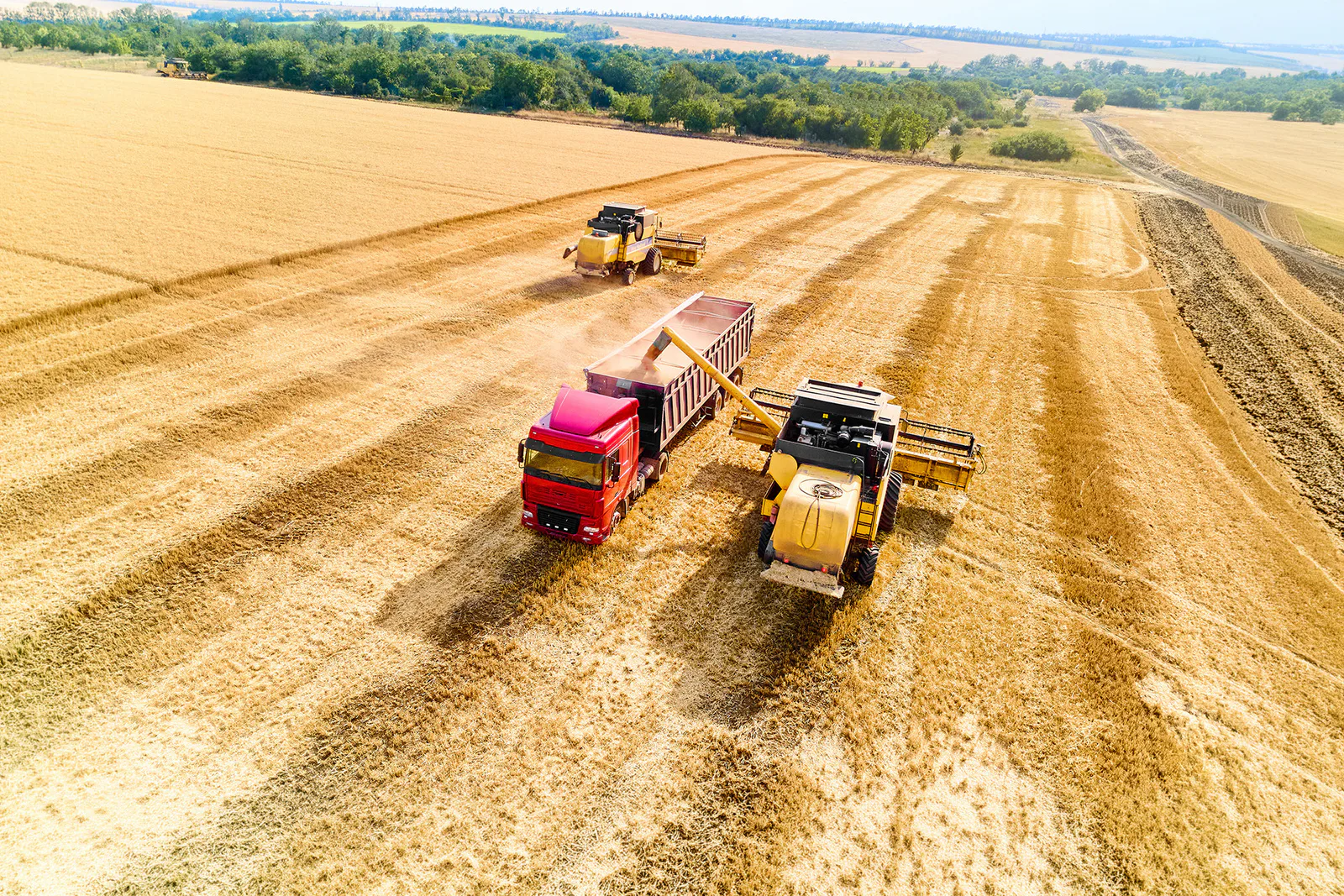
During harvest, tractor and grain truck must be monitored simultaneously. The first FMx650 device tracks tractor ISOBUS data (power usage optimisation), while a second device in the truck cabin provides trailer weight, vehicle identification number, speed, and fuel consumption. This allows managers to confirm both vehicles meet at the right place and time, ensuring smooth load transfer.
Upon return to the depot, all data converges in a single platform. Managers see exactly how many resources were used in the field and how much grain was collected. EYE beacons ensure no implement is left behind. ISOBUS and FMS data identify which equipment requires refuelling, maintenance, or repairs.
Key Benefits of Agricultural Fleet Productivity
Full Fleet Visibility: A single device type monitors the performance of tractors, implements, RTK, trucks, and other machinery on the farm.
Better Resource Utilisation: Agricultural fleets save seeds, fertilisers, chemicals, and fuel by identifying profitable areas, drivers, and equipment.
Maximise Field Yield: Field maps based on satellite images and soil sensors are validated against actual seed application rates and volumes.
Fast and Easy Positioning Data Access: RTK data is read directly from the tractor ISOBUS, achieving centimetre-level accuracy with minimal installation time.
Lower Fuel and Maintenance Costs: Tractor CAN data is monitored to prevent engine strain and excessive fuel consumption. For those facing fuel theft, multiple input ports allow integration with fuel sensors and driver identification systems.
Why Choose Teltonika?
Teltonika is a Europe-based manufacturer with 20+ years of experience in industrial IoT and telematics. The FMx650 series is fully compatible with ISOBUS standards, features plug-and-play installation, and consolidates all aspects of agricultural operations (tractor, implement, RTK, fuel, driver) on a single platform. Devices support 4G/5G connectivity, GPS and GNSS, multi-sensor integration, and industrial security (AES-128 encryption).
To modernise agricultural fleet management in Turkey, request a quote for Teltonika solutions via IoTMarketi. Our expert team provides guidance on ISOBUS integration, RTK setup, and fleet monitoring platform selection.
Frequently Asked Questions
What is ISOBUS protocol and how is it used in agriculture? ISOBUS (ISO 11783) is an open standard for data communication between agricultural machinery. Devices such as Teltonika FMx650 collect real-time data from the tractor, implement, and RTK antenna through this protocol, allowing fleet managers to monitor all operations on a single platform.
Why is RTK data better than standard GNSS? Standard GNSS carries a 2–3 metre error margin, while RTK (real-time kinematic) delivers centimetre-level positioning accuracy. This is critical when tractors need to make sharp turns at field edges and for precise seed and pesticide application.
How easy is FMC650 installation? FMC650 connects to the tractor's diagnostic socket via a 9-PIN cable with plug-and-play installation. Additional sensors (fuel, RFID, driver identification) are easily integrated via RS232 and digital input ports.
What types of data does Teltonika collect? ISOBUS and CAN data (fuel level, engine hours, hydraulic system), RTK coordinates, power take-off system, hitch positions, implement performance, speed, location, and driver identification.
Where can I source Teltonika ISOBUS solutions in Turkey? IoTMarketi supports B2B quote requests for Teltonika products and agricultural fleet telematics solutions. Contact us via the quote request page.
FAQ
Frequently Asked Questions
ISOBUS protokolü nedir ve tarımda nasıl kullanılır?
ISOBUS (ISO 11783), tarım makineleri arasında veri iletişimi sağlayan açık standarttır. Teltonika FMx650 gibi cihazlar bu protokol aracılığıyla traktör, alet ve RTK anteninden eş zamanlı veri toplar, böylece filo yöneticileri tek bir platformda tüm operasyonları izleyebilir.
RTK verisi neden standart GNSS'den daha iyidir?
Standart GNSS, 2–3 metre hata payı sunarken, RTK (gerçek zamanlı kinematik) santimetre düzeyinde konum doğruluğu sağlar. Bu, traktörlerin keskin dönüşler yapması gereken saha kenarlarında ve hassas tohum/pestisit uygulamalarında kritik önem taşır.
FMC650 cihazı kurulumu ne kadar kolay?
FMC650, traktörün tanı soketine 9-PIN kabloya bağlanarak plug-and-play kuruluma sahiptir. Ek sensörler (yakıt, RFID, sürücü tanımlama) RS232 ve dijital giriş portları aracılığıyla kolayca entegre edilir.
Teltonika cihazları hangi veri türlerini toplar?
ISOBUS ve CAN verisi (yakıt seviyesi, motor saatleri, hidrolik sistem), RTK koordinatları, güç aktarma sistemi, kanca konumları, alet performansı, hız, konum ve sürücü kimliği gibi verileri toplar.
Türkiye'de Teltonika ISOBUS çözümü nereden temin edilir?
IoTMarketi, Teltonika ürünleri ve tarımsal filo telematiği çözümleri için B2B teklif talebini destekler. Teklif talep sayfasından iletişime geçebilirsiniz.
Continue reading

How to Choose a Jimi IoT GPS Vehicle Tracker: Fleet Guide
Jimi IoT GPS trackers and dash cams: OBD vs wired, single vs multi-channel AI. Model selection by fleet size and how to get a quote.

Fleet Tracking and Fuel Management: Optimizing Logistics Fleets with Jimi IoT VL502
For logistics and delivery operations, vehicle tracking, fuel management, and maintenance planning are critical. OBD tracking devices like the Jimi IoT VL502 collect real-time vehicle data, increasing operational efficiency, preventing unexpected breakdowns, and reducing operating costs. Discover suitable solutions for Turkey's logistics sector.

Anti-Theft Protection and Stolen Vehicle Recovery with Teltonika GPS Trackers
Teltonika GPS trackers protect vehicles against theft with jamming detection, engine immobilisation, and geofencing. Extended autonomous tracking up to 150 days ensures stolen vehicles can be recovered even when power is disconnected. Real-time alerts and tamper detection keep you informed of any suspicious activity.